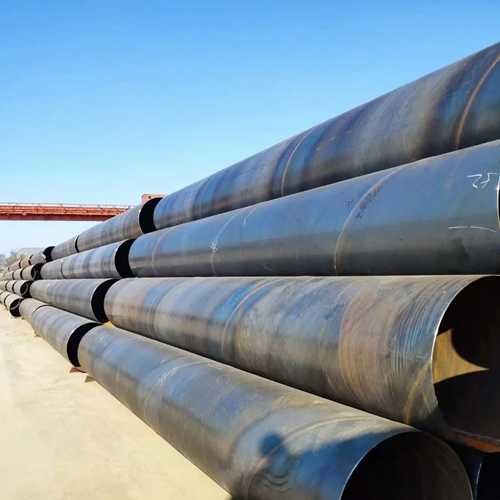
In the world of large-scale infrastructure and industrial fluid transport, SSAW (Spiral Submerged Arc Welded) carbon steel pipe is the popular choice of steel pipe. However, selecting the right specifications and understanding the nuances of spiral-welded technology can be complex for many project managers and procurement specialists.
At JS FITTINGS, we specialize in manufacturing high-quality SSAW pipes that meet rigorous international standards(API 5L, ASTM).
We’ve compiled this expert FAQ guide covering everything you need to know about SSAW carbon steel pipes.
What is SSAW Carbon Steel Pipe?
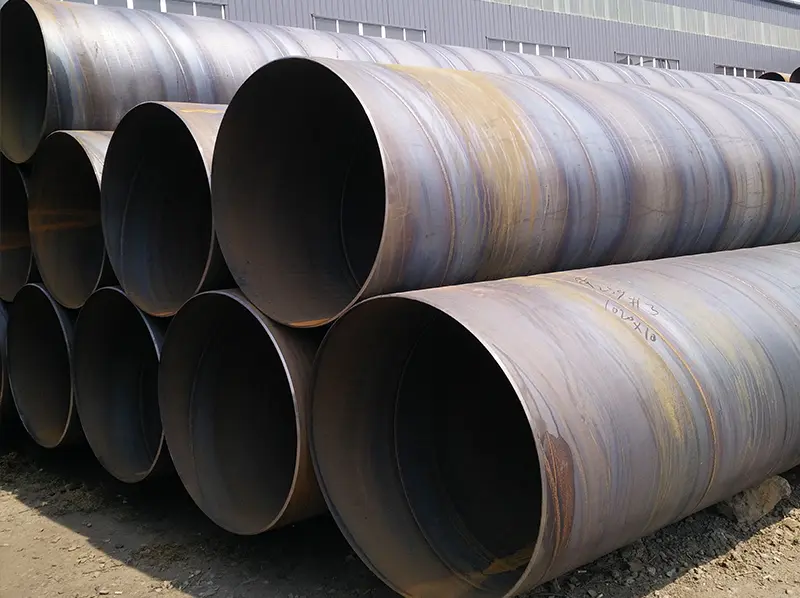
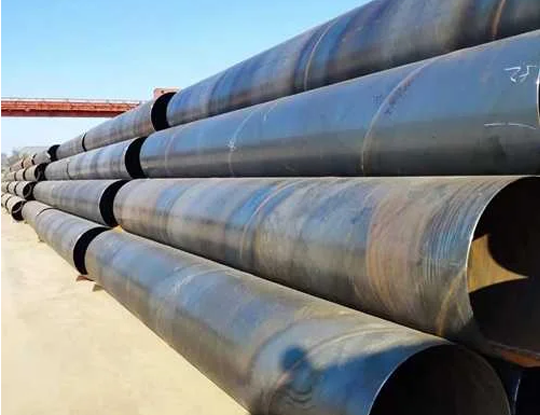
SSAW carbon steel pipe is a steel tube made of carbon steel formed by rolling a flat steel coil into a spiral tube and welding the seam with an automatic submerged arc welding process.
The primary advantage of this process is that it allows for the production of large-diameter pipes using relatively narrow steel strips.
(click here to get the Production Process)
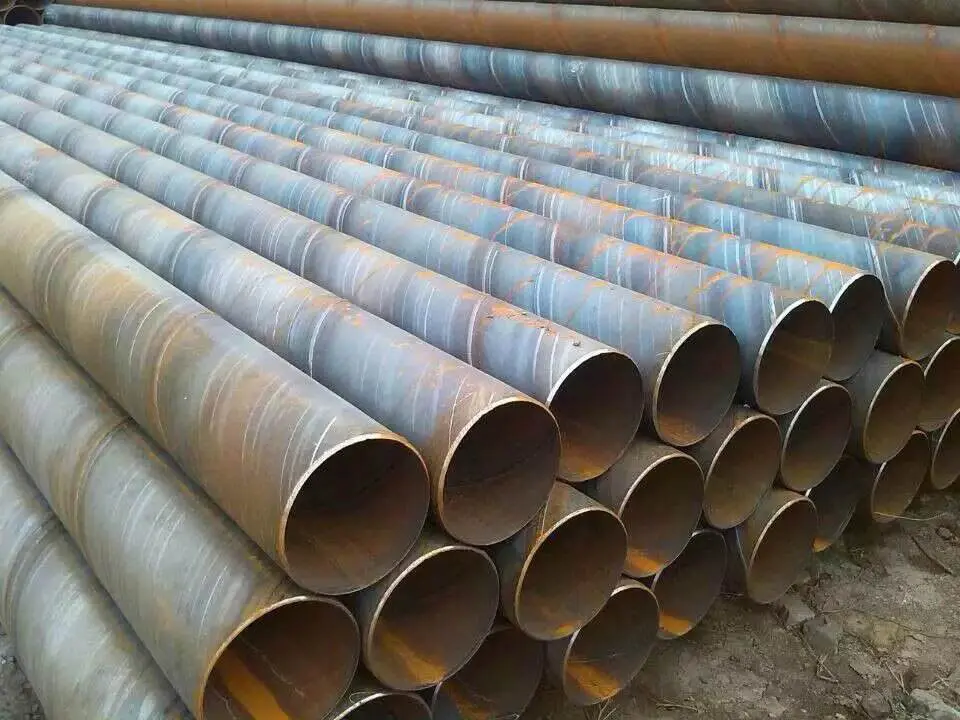
What are the common manufacturing standards for SSAW pipes?
Depending on your project’s application, SSAW pipes must adhere to specific global standards to ensure safety and durability.
At JS FITTINGS, we manufacture according to:
- API 5L (PSL1, PSL2): The gold standard for oil and gas pipelines (Grades B through X80).
- ASTM A53: Standard specification for pipe, steel, black and hot-dipped, zinc-coated, welded, and seamless.
- ASTM A252: Ideal for piling pipes used in construction.
- EN10219: Cold-formed welded structural hollow sections.
- AWWA C200: Specifically for water steel pipelines.
Click here to get SSAW Steel Pipe: Standards, Technical, and Specifications
How does SSAW compare to LSAW pipe?
This is one of the most frequent questions we receive.
While both are submerged arc welded, the differences are key:
- Production Process: SSAW uses a spiral seam, whereas LSAW (Longitudinal Submerged Arc Welded) uses a straight longitudinal seam.
- Diameter Range: SSAW excels in large diameters (up to 3000mm+) at a more cost-effective price point.
- Flexibility: SSAW machines can produce various pipe diameters from the same width of steel strip, offering greater manufacturing flexibility.
- Stress Distribution: In SSAW pipes, the weld stress is lower than in LSAW because the weld line is longer and the stress is distributed across the spiral.
More details about the difference, click here: Differences Between SSAW, LSAW and ERW Steel Pipe
What are the primary applications of SSAW pipes?
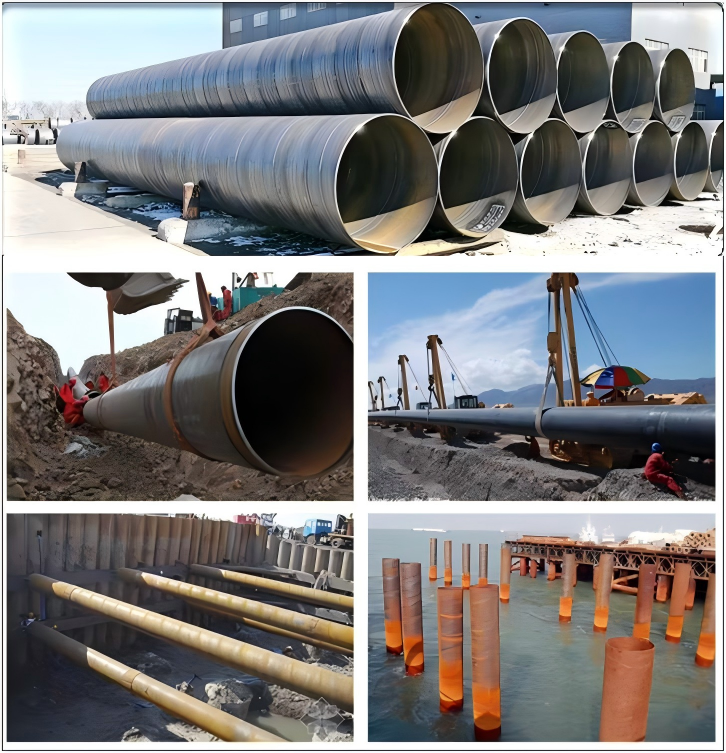
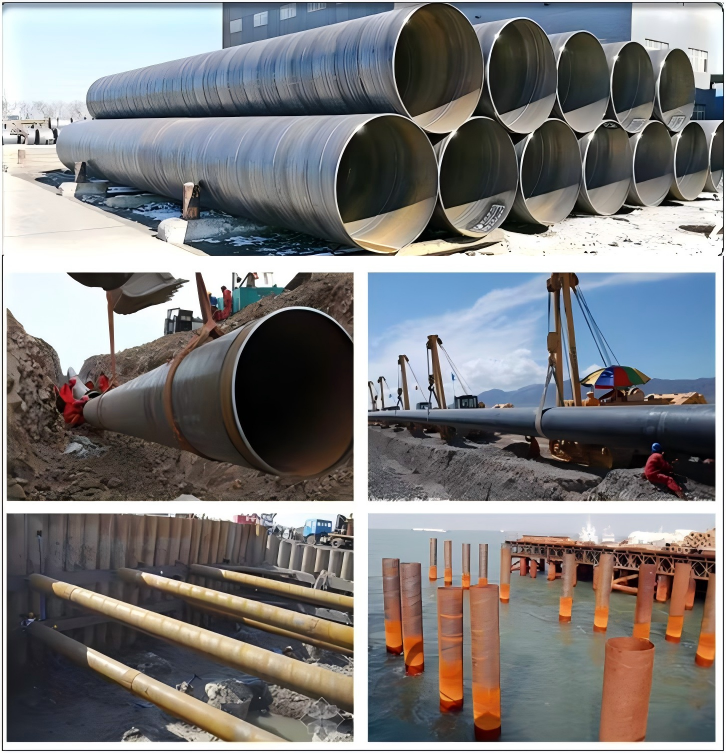
Due to their high structural strength and cost-efficiency in large sizes, SSAW carbon steel pipes are widely used in:
- Water Transmission: Main trunk lines for municipal water supply and drainage.
- Oil & Gas: Transporting natural gas and petroleum (especially for low-to-medium pressure lines).
- Structural Piling: Foundation piling for bridges, ports, and high-rise buildings.
- Dredging: Slurry and sand transport in maritime engineering.
Can SSAW pipes be customized with anti-corrosion coatings?
Absolutely.
Carbon steel is susceptible to rust, so protective coatings are essential for underground or underwater applications. We offer several options:
- 3PE (Three-Layer Polyethylene): The most common coating for oil and gas.
- FBE (Fusion Bonded Epoxy): Excellent for preventing corrosion in harsh chemical environments.
- Cement Mortar Lining: Standard for potable water pipes.
- Bitumen/Coal Tar Enamel: Traditional cost-effective anti-corrosion.
What quality control tests should I expect?
A reliable manufacturer should provide a comprehensive Mill Test Certificate (MTC). At JS Steel Pipes, our SSAW pipes undergo:
- Hydrostatic Testing: Ensuring the pipe can handle the rated pressure without leaking.
- X-Ray Inspection: Checking the internal integrity of the spiral weld.
- Ultrasonic Testing (UT): Detecting any internal flaws or thickness variations.
- Tensile & Impact Testing: Verifying the mechanical properties of the steel grade.
Why choose JS FITTINGS as your project steel pipe supplier?
With decades of experience in the steel industry, we understand that reliability is non-negotiable.
- Full Range of Sizes: We cover the spectrum from medium to ultra-large diameters.
- Strict Compliance: Our facility is API and ISO certified, ensuring every meter of pipe meets your project’s technical requirements.
- Global Logistics: We have a proven track record of shipping to major ports worldwide, ensuring your project stays on schedule.
- One-Stop Solution: From raw material sourcing to final coating and shipping, we manage the entire value chain.
Conclusion
Selecting the right SSAW carbon steel pipe involves balancing technical specifications, budget, and longevity. Whether you are building a bridge foundation or a cross-country water pipeline, the quality of your pipe is the foundation of your project’s success.
Looking for a quote or technical consultation for your next project?
Visit our product page at jssteelpipes.com/products or contact our engineering team directly. Let’s build something strong together.