In the world of heavy industry, the “backbone” of any infrastructure—whether it’s a cross-country oil pipeline or a high-pressure steam system—is the carbon steel pipe. For procurement professionals and engineers, selecting the right pipe isn’t just about finding a hollow tube; it is about understanding the intersection of metallurgy, pressure ratings, and international compliance.
In this guide, we’ll break down everything you need to know about Schedule 40 dimensions, and the critical API 5L standard.
Why is SMLS (Seamless) Pipe the best choice for projects?
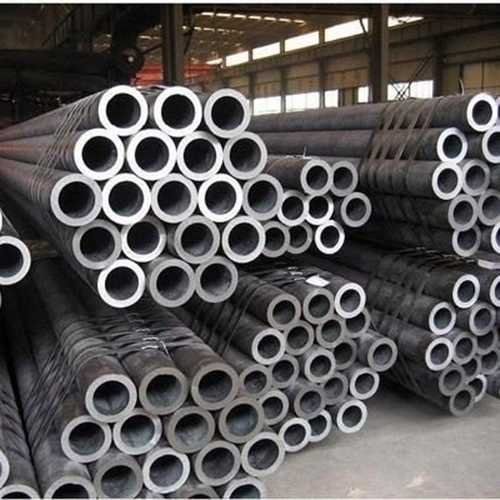
When your project involves high pressure, high temperatures, or corrosive environments, SMLS (Seamless) pipe is the non-negotiable choice. Unlike ERW (Electric Resistance Welded) pipes, SMLS pipes are manufactured by piercing a solid steel billet.
The Advantages are Clear:
- Uniformity: There is no weld seam, which means no “weak point” in the structure.
- Pressure Integrity: SMLS pipes can withstand significantly higher operating pressures compared to welded alternatives of the same material and thickness.
- Precision: They offer better consistency in roundness and wall thickness for critical machining or threading.
For carbon steel applications, the most common materials used are ASTM A106 Grade B (for high-temperature service) and ASTM A53 Grade B.
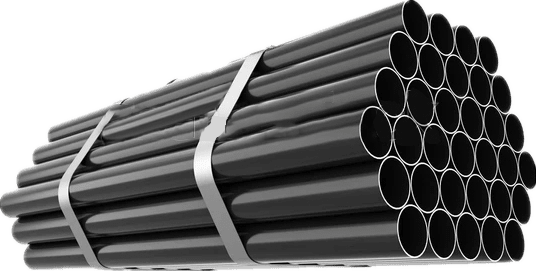
“Schedule 40”: It’s All About the Wall
The term Schedule 40 (SCH 40) and SCH 80 is perhaps the most requested specification in our inventory. But what does it actually mean?
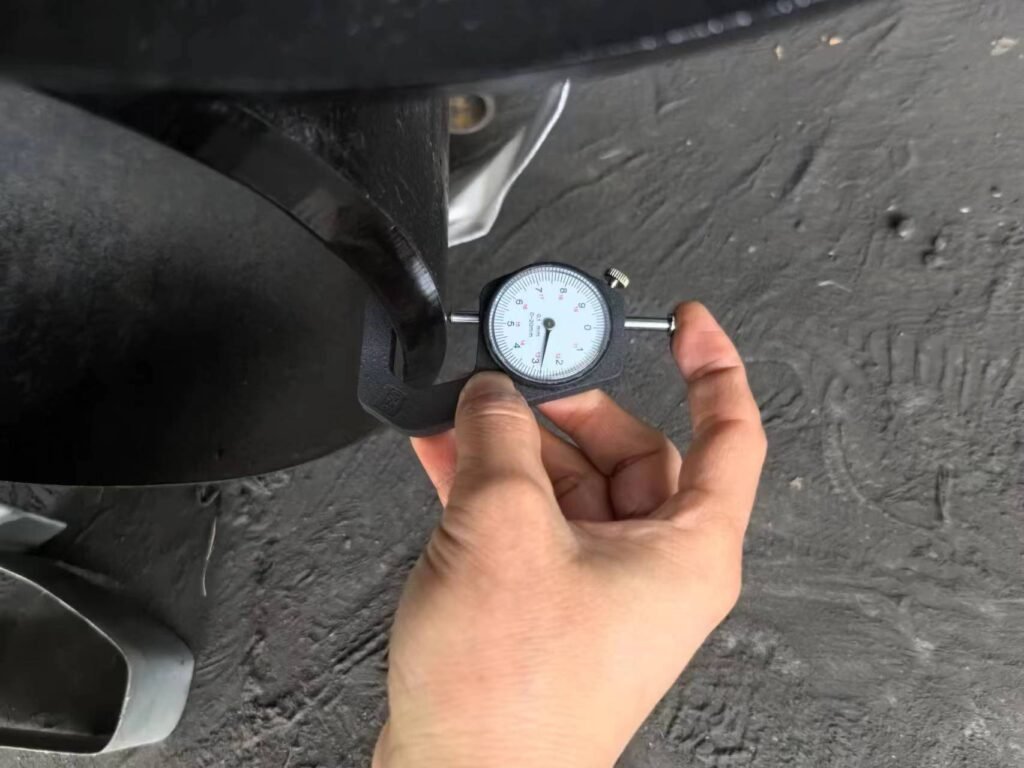
A “Schedule” is a dimensionless number that relates to the wall thickness of the pipe. As the schedule number increases, the wall thickness increases.
Versatility: SCH 40 is considered the “standard” weight for most industrial fluid transport. It balances durability with cost-effectiveness.
Measurement: In pipes smaller than 10 inches, SCH 40 is identical to “Standard” (STD) wall thickness. However, as sizes move into the 12-inch+ range, these measurements can diverge, so always verify the exact millimeter thickness in your data sheets.
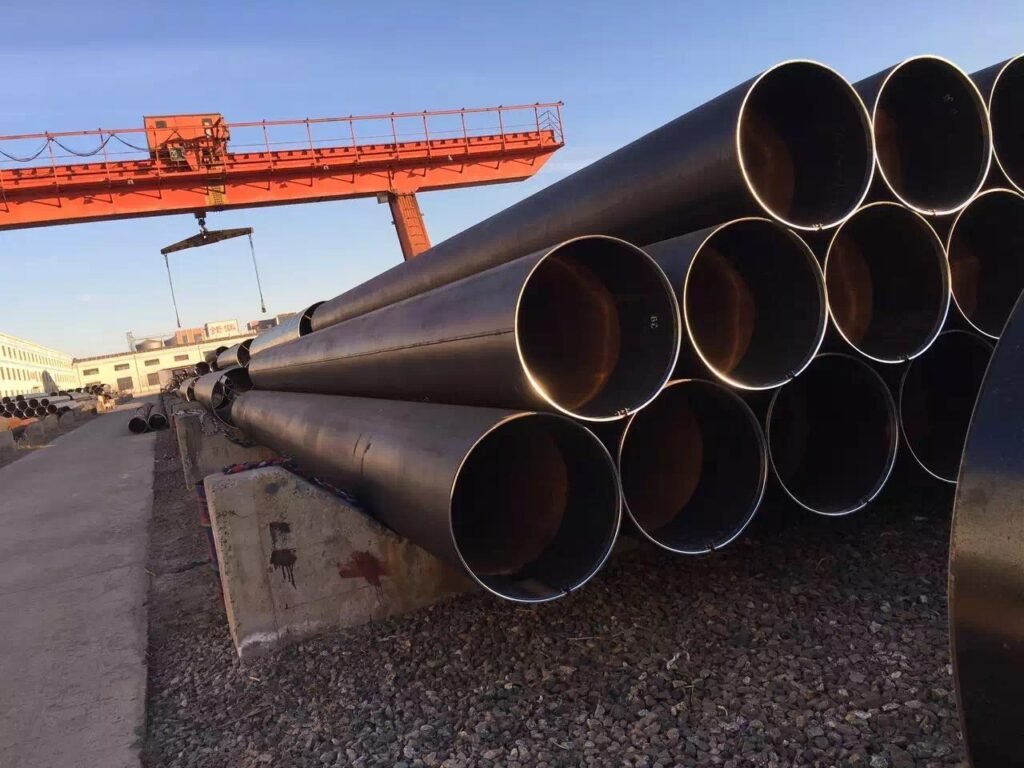
API 5L Steel Line Pipe
If your business involves oil, gas, or water transport over long distances, you are looking for API 5L compliant pipe. This standard, set by the American Petroleum Institute, is much more rigorous than standard structural steel specs.
Key Grades We Supply:
API 5L Grade B Steel Line Pipe: The most common starting point for line pipe.
High Yield Grades (X42, X52, X60, X65, X70): These “X” grades indicate the minimum yield strength (e.g., X52 has a yield strength of 52,000 psi). Higher grades allow for thinner walls in high-pressure lines, significantly reducing the total weight and shipping costs of a project.
How to Verify Quality in a Sea of Suppliers?
Buying in bulk from China requires a “trust but verify” mindset. When evaluating a supplier for carbon steel pipes, your checklist should include:
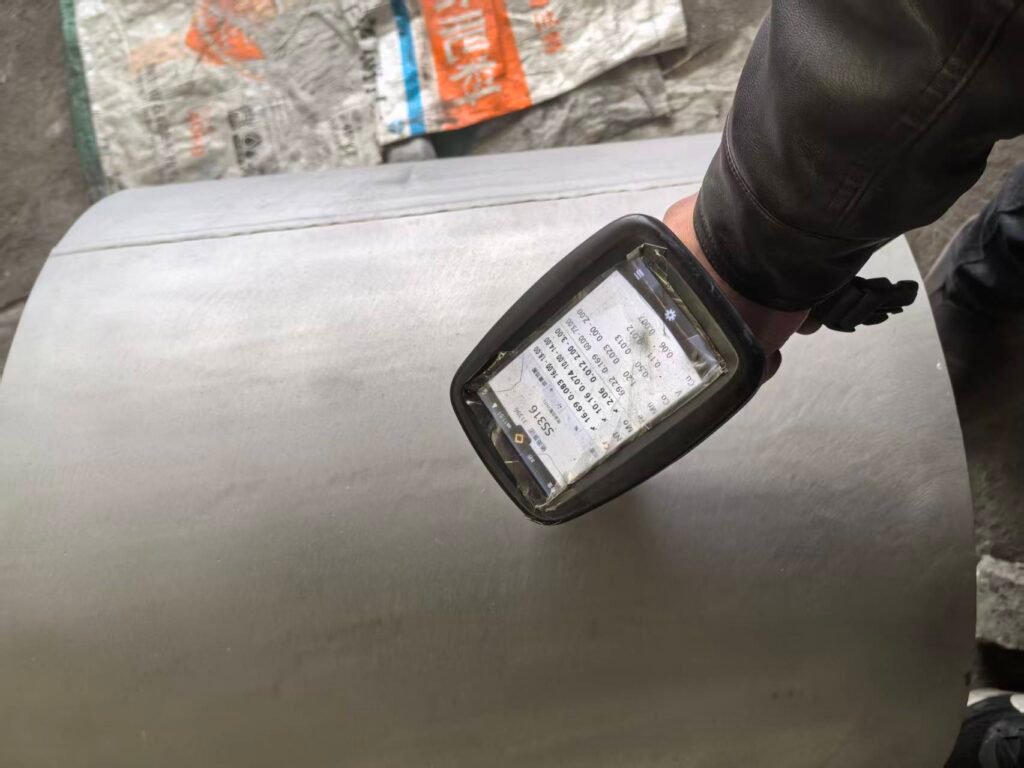
- MTC (Material Test Certificate) Traceability: Every pipe must be linked to a heat number. A professional supplier like JS FITTINGS provides EN 10204 3.1 certificates that detail the chemical composition (Carbon, Manganese, Silicon) and mechanical properties (Tensile, Yield, Elongation).
- Hydrostatic Testing: Every SMLS pipe should be pressure-tested at the mill to ensure there are no microscopic leaks or structural failures.
- Third-Party Inspection (TPI): Reliable manufacturers welcome inspections from agencies like SGS, BV, or Intertek. If a supplier hesitates to allow TPI, it’s a red flag.
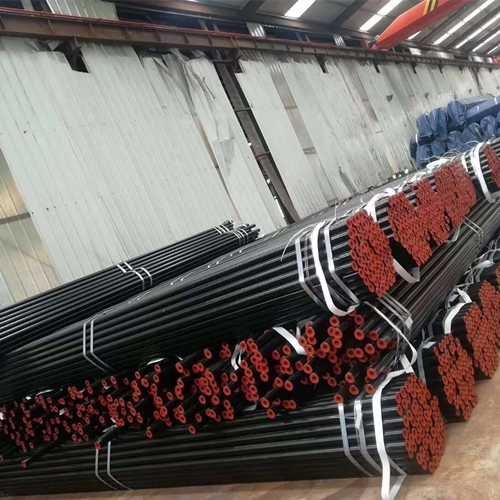
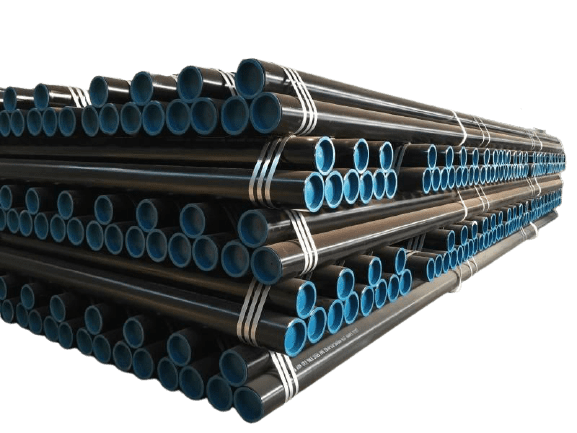
- Surface Treatment: Carbon steel rusts quickly. Ensure your pipes are delivered with a protective coating—usually black painting, anti-corrosion oil, or hot-dip galvanizing—and that the ends are capped to protect the bevels.
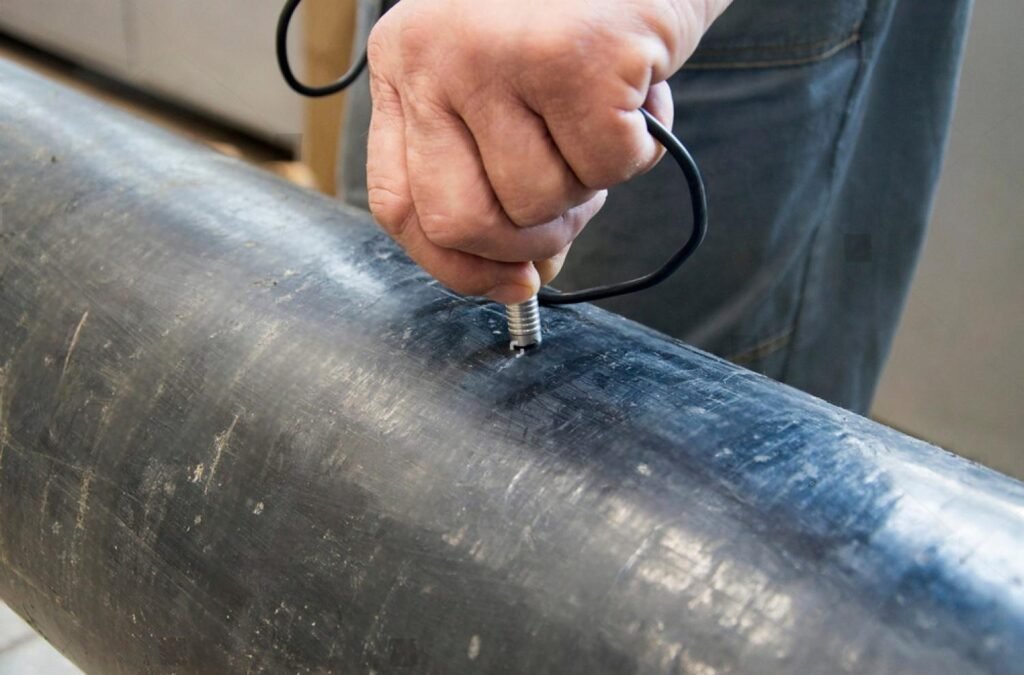
Seamless pipes Maintenance and Longevity
Carbon steel is incredibly tough, but its enemy is oxidation. To ensure a 30-year+ lifespan:
- External Protection: For underground pipes, use 3PE (Three-Layer Polyethylene) coating.
- Internal Lining: For water transport, consider cement mortar or epoxy linings to prevent internal scaling.
- Proper Storage: If storing on-site before installation, keep pipes off the bare ground using wooden sleepers to prevent moisture trap-corrosion.
Industry FAQ
Q: Can I use API 5L Grade B as a substitute for ASTM A106 Grade B?
A: In many cases, yes. Many mills “dual-certify” their pipes as A106-B/API 5L-B. However, API 5L has stricter requirements for toughness and weldability testing, so always check your project’s engineering specs first.
Q: Why is SMLS more expensive than Welded pipe?
A: The manufacturing process (heating and piercing) is more energy-intensive and requires higher-quality raw steel billets. You are paying for the safety and reliability of a seamless structure.
Q: What is the typical lead time for bulk export?
A: For standard sizes (2″ to 12″ SCH 40), we often maintain ready-to-ship stock. For custom API 5L X-grades or large-diameter SMLS, production typically takes 20-30 days.
Partner with JS FITTINGS
As a dedicated seamless steel pipes manufacturer and exporter, Hebei Jinsheng Pipe Fittings Manufacturing Co., Ltd. understands that your project timeline depends on our reliability. Whether you need a single container of Schedule 40 SMLS pipe or thousands of tons of API 5L Line Pipe, we deliver certified quality directly from the heart of China’s steel industry.
Contact our export team today at jssteelpipes.com for a comprehensive quote and technical consultation.
- Email: info@jssteelpipes.com
- WhatsApp: +8618003119682