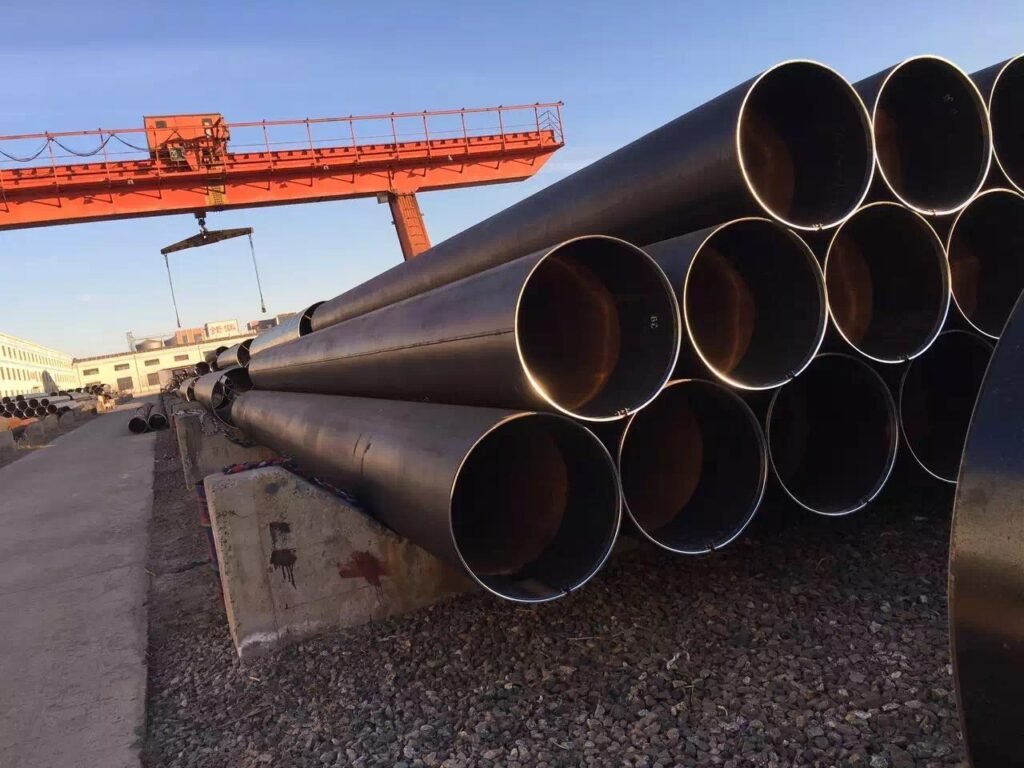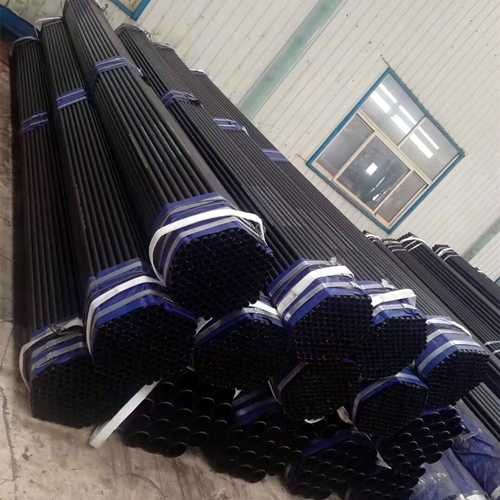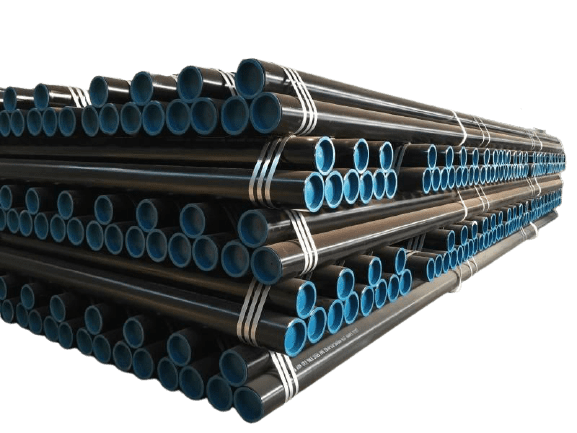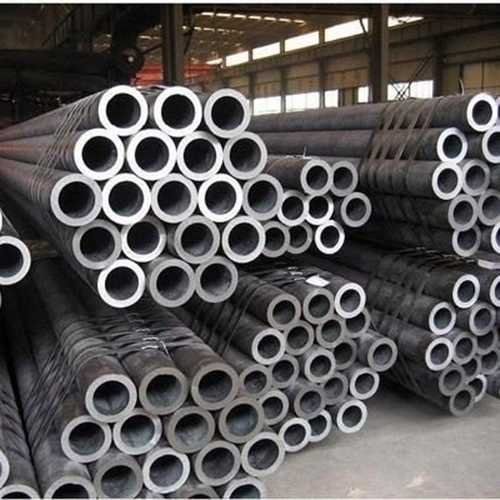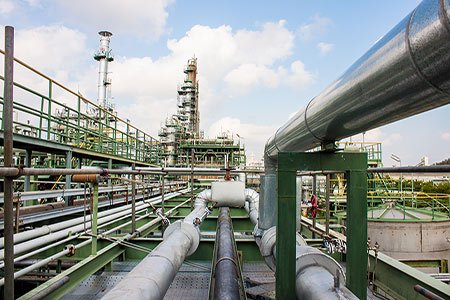
In the high-stakes environment of the petrochemical industry, the integrity of a piping system is the difference between operational excellence and catastrophic failure. From refineries and chemical processing plants to offshore platforms, industrial steel pipes must withstand extreme temperatures, high pressures, and highly corrosive fluids.
As a leading provider of piping solutions,JS FITTINGS wirte this blog.
This guide covers the essential types of steel pipes, their applications, and a roadmap for professional procurement.
Which Types of Steel Pipes are Used in the Petrochemical Industry?
The diversity of chemical processes requires a variety of metallurgical properties. Here are the primary materials used across the sector:
1. Carbon Steel Pipes (The Industrial Workhorse)
Carbon steel is the most widely used material due to its strength and cost-effectiveness.
- ASTM A106 Grade B/C: A seamless pipe used for high-temperature, high-pressure services.
- ASTM A53: Available in both seamless and welded forms, often used for lower-pressure applications like air, steam, or water transport within plants.
2. Stainless Steel Pipes (Corrosion Resistance)
When dealing with acidic fluids or extreme temperatures, stainless steel is mandatory.
- 304/304L: Standard grade for general corrosion resistance.
- 316/316L: Contains Molybdenum, making it highly resistant to chlorides and pitting—perfect for coastal refineries or aggressive chemical processing.
- 321/347: Stabilized grades used for high-temperature applications (cracking furnaces) to prevent intergranular corrosion.
3. Alloy Steel Pipes (High Heat & High Pressure)
Alloy steels, often containing Chromium and Molybdenum (Chrome-Moly), are designed for “hot” services.
- ASTM A335 (P5, P9, P11, P22): These pipes are used in power generation and refinery heaters where high tensile strength and creep resistance at elevated temperatures are required.
4. Duplex & Super Duplex Stainless Steel
Combining the best properties of Ferritic and Austenitic steel, Duplex (e.g., 2205) offers superior strength and exceptional resistance to stress corrosion cracking, often used in desalinization and offshore high-chloride environments.
5. Low-Temperature Carbon Steel (LTCS)
- ASTM A333 Grade 6: Specifically designed for cold-weather environments or processes involving refrigerated gases, maintaining impact toughness down to -46°C (-50°F).
How Are these Pipes Used in Petrochemical Operations?
Steel pipes serve as the “circulatory system” of a refinery or chemical plant. Their roles are specialized based on the stage of production:
- Process Piping: These pipes connect reactors, distillation columns, and heat exchangers. They must handle a “cocktail” of chemicals at varying temperatures.
- Refinery Transportation: Transferring crude oil from storage to processing units and moving refined products (gasoline, kerosene, diesel) to terminal points.
- Heat Exchanger & Boiler Tubes: Smaller diameter pipes used for heat transfer, requiring high thermal conductivity and resistance to scaling.
- Offshore & Subsea Applications: Heavy-walled pipes used in extraction and transport where they must withstand both internal fluid pressure and external hydrostatic pressure.
- High-Pressure Utility Lines: Carrying steam, cooling water, and compressed air to support the industrial process.
How to Choose the Right Pipes for Your Project?
Choosing the wrong pipe can lead to premature failure and costly downtime. When selecting materials, consider these four critical factors:
- Temperature & Pressure: High-pressure reactors require seamless pipes (ASTM A106 or A335) to eliminate the risk of weld-seam failure. If the temperature exceeds 425°C, alloy steel is usually required.
- Corrosivity of the Medium: Will the pipe carry “sour” gas (H2S), sulfuric acid, or salt water? This dictates the need for Stainless Steel 316 or specialized coatings.
- Environmental Conditions: For offshore projects, the external atmosphere is as corrosive as the internal fluid. Duplex steel or galvanized coatings may be necessary to combat salt-air corrosion.
- Seamless vs. Welded:
- Seamless (SMLS): Preferred for critical high-pressure systems.
- Welded (ERW/EFW/LSAW): More cost-effective for large diameters and lower-pressure utility applications.
How to Order: A Professional Checklist for Procurement
To ensure accuracy and avoid delays, a purchase order in the petrochemical industry must be technically precise. When ordering from J&S Steel Pipes, please provide the following:
- Standard & Grade: (e.g., ASTM A106 Grade B, ASTM A312 TP316L).
- Manufacturing Method: Seamless (S), ERW (Electric Resistance Welded), or LSAW (Longitudinal Submerged Arc Welded).
- Dimensions:
- NPS: Nominal Pipe Size (e.g., 6″).
- Schedule: Wall thickness (e.g., SCH 40, SCH 80, SCH XXS).
- Length: Single Random Length (SRL ~6m), Double Random Length (DRL ~12m), or Cut-to-length.
- End Finish:
- PE: Plain End (for socket weld).
- BE: Beveled End (for butt-welding).
- TE/TC: Threaded and Coupled.
- Surface Treatment: Black varnish, hot-dip galvanized (HDG), FBE (Fusion Bonded Epoxy), or 3PE coating.
- Documentation: Always request MTRs (Material Test Reports) to verify the heat number, chemical composition, and physical properties (Yield/Tensile strength).
Partner with JS FITTINGS
At jssteelpipes.com, we specialize in supplying high-performance piping solutions for the global petrochemical sector. Whether you are looking for specialized ASTM A335 alloy pipes or standard carbon steel for a refinery expansion, our team provides the technical expertise and logistics support you need.
Contact us today for a quote or technical consultation on your next project.