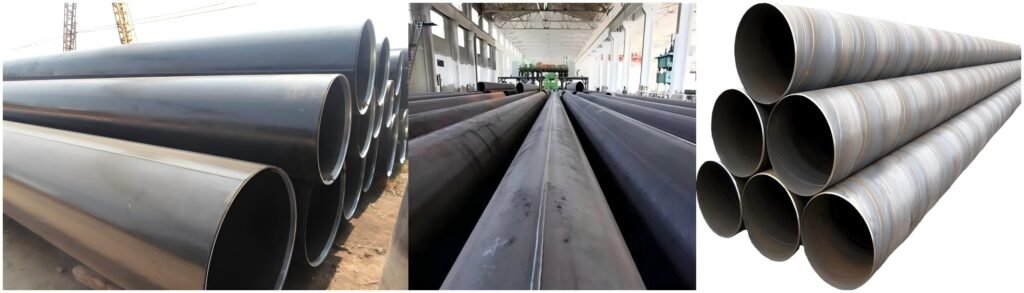
In the complex world of industrial piping, selecting the correct material is not just a choice—it is a critical engineering decision that impacts safety, budget, and project longevity. For pipeline engineers and procurement specialists, understanding the nuances between LSAW, SSAW, and ERW steel pipes is essential.
At JSFITTINGS, we don’t just sell pipes; we leverage 40 years of manufacturing and export experience to provide technical solutions. Today, we break down the distinct manufacturing processes, performance characteristics, and ideal applications for these three major types of welded pipes.
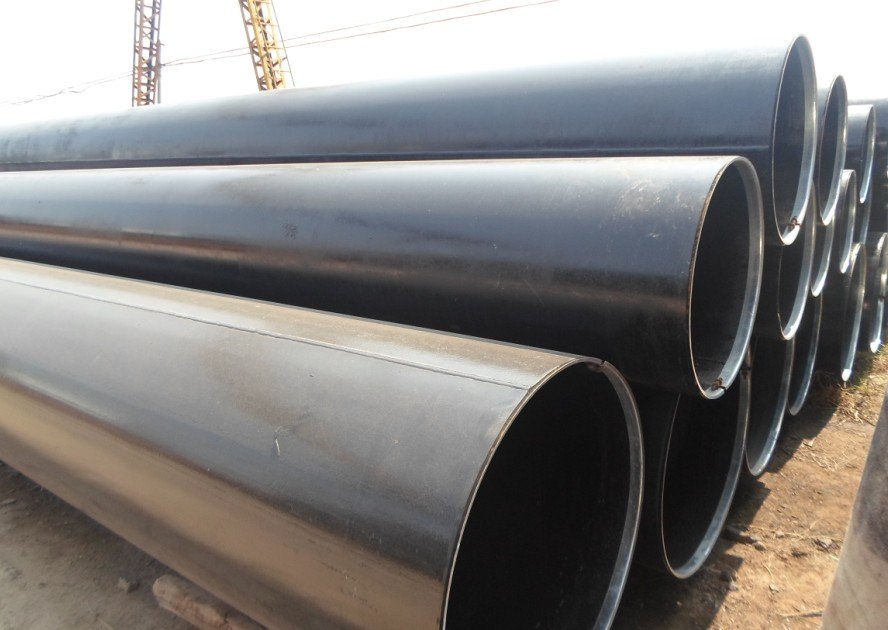
LSAW Steel Pipe
What is LSAW steel pipe?
LSAW (Longitudinally Submerged Arc-Welding), often referred to as SAWL or JCOE pipe, represents the gold standard for high-pressure applications. The manufacturing process begins with a single heavy steel plate. Through a molding process (typically JCOE or UOE), the plate is formed into a cylinder and welded using a double-sided submerged arc technique.
Key Features & Performance:
- Superior Integrity: The longitudinal weld provides exceptional ductility and weld toughness.
- High-Pressure Mastery: LSAW is the preferred choice for high-pressure environments due to its 100% weld penetration and strict quality control.
- Size Range: Typically available in diameters from 16″ to 60″ (406mm – 1524mm).
Primary Applications:
According to API 5L specifications, LSAW pipes are crucial for Class 1 and Class 2 areas—zones encompassing cities, deep-sea lines, and densely populated regions.
- Oil & Gas: Long-distance transmission lines (onshore and offshore).
- Structural Use: Heavy-duty piling for bridges and skyscrapers.
- Industrial: High-pressure fluid transmission in water treatment and chemical plants.
SSAW Steel Pipe
What is SSAW steel pipe?
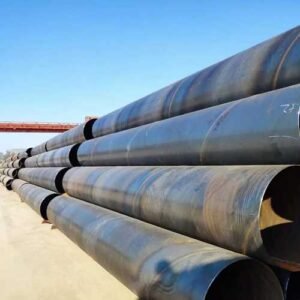
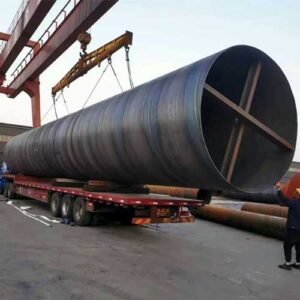
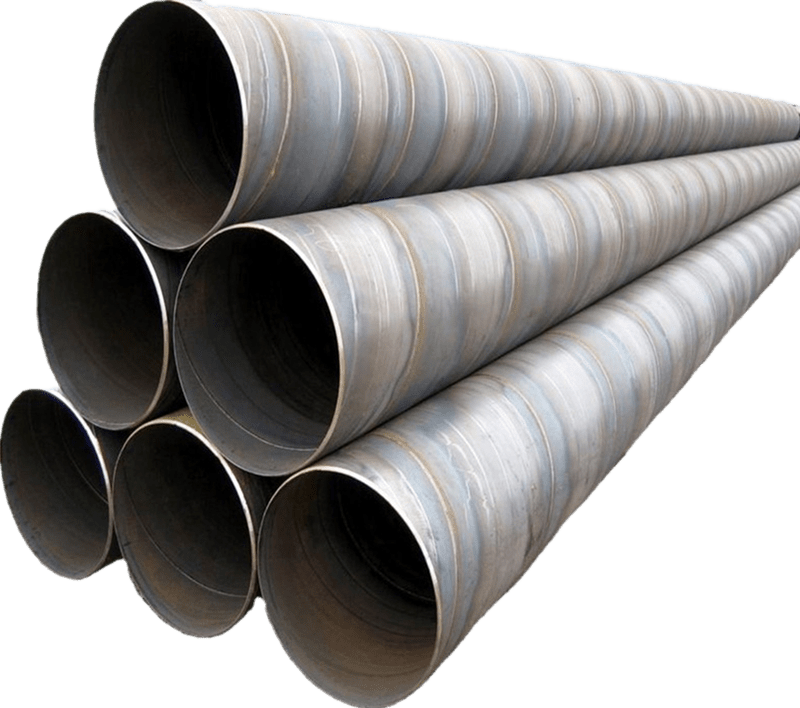
SSAW (Spiral Submerged Arc-Welding), also known as HSAW (Helical SAW), is easily identified by its spiral weld seam. Unlike LSAW, which uses plates, SSAW is produced from hot-rolled steel coils. The coil is unrolled and formed at an angle to the pipe’s centerline, creating a helix-shaped seam.
Advantages & Limitations:
- Cost-Efficiency: The ability to produce huge diameters (up to 100 inches) using narrower steel strips makes SSAW highly economical.
- Stress Distribution: The spiral seam can offer good resistance to primary stress.
- The Trade-off: The weld seam is significantly longer than that of an LSAW pipe. While modern technology has minimized defects, the increased weld length theoretically raises the probability of issues like air holes or slag inclusion.
Primary Applications:
Due to physical dimension characteristics, SSAW pipes are typically restricted to API Class 3 and Class 4 areas in petroleum design.
- Water Transport: Large diameter water mains and irrigation systems.
- Construction: Piling pipes and structural columns.
- Low-Pressure Lines: Oil and gas transport in non-critical, unpopulated areas.
ERW Steel Pipe
What is ERW steel pipe?
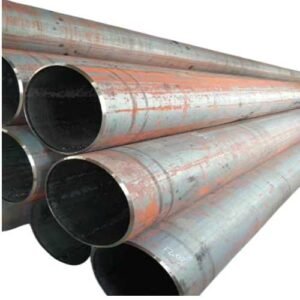
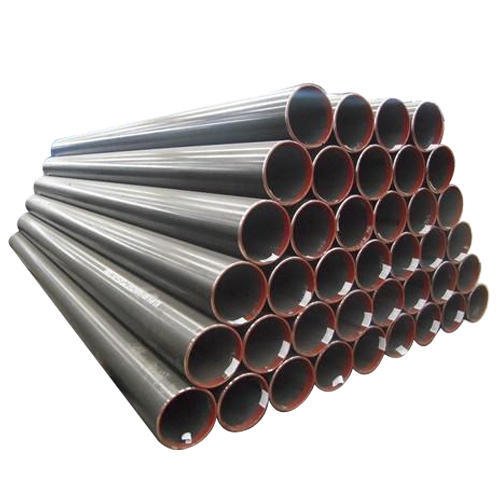
ERW (Electric Resistance Welded) pipes are manufactured by cold-forming a steel coil into a cylindrical shape. An electric current is then passed through the edges to heat and fuse them together without the use of filler metal. This creates a “seamless” effect, especially after the weld flash is trimmed.
Why Choose ERW?
- Precision: ERW pipes are known for high dimensional accuracy and excellent surface finish.
- Production Speed: The continuous manufacturing process allows for high efficiency and lower costs.
- Limitation: Generally available in smaller diameters compared to SAW pipes and suitable for low-to-medium pressure ratings.
Primary Applications:
- Urban Infrastructure: City gas networks and fencing.
- Plumbing: Water and sewage transport.
- Machinery: Automobile components and structural frames.
The Key Differences at a Glance
To help you make a quick decision, we have compared the three types based on critical engineering factors:
| Feature | LSAW (Longitudinal SAW) | SSAW (Spiral SAW) | ERW (Electric Resistance) |
| Raw Material | Steel Plate | Steel Coil | Steel Coil |
| Weld Seam | Straight (Longitudinal) | Spiral (Helical) | Straight (High Frequency) |
| Diameter Range | Medium to Large (16″-60″) | Very Large (20″-100″+) | Small to Medium (up to 24″) |
| Pressure Rating | High / Very High | Low / Medium | Low / Medium |
| Cost | High | Low | Medium |
| Main Usage | Critical Oil & Gas / Offshore | Water / Piling / Onshore | City Gas / Structure |
Why Partner with JSFITTINGS?
Choosing the right pipe type is not merely a purchase; it is the foundation of your project’s safety.
At JSFITTINGS, we combine 40 years of industry heritage with modern quality control. Whether your project demands the high-pressure resilience of LSAW, the large-diameter economy of SSAW, or the precision of ERW,
we ensure:
Full Traceability: From raw material to final product.
Rigorous Testing: Hydrostatic, Ultrasonic, and X-Ray testing per API/ASTM standards.
Global Logistics: Seamless export services to get pipes to your site on time
Ready to secure your pipeline project?
Contact JSFITTINGS today for a technical consultation or a competitive quote.
Email: info@jssteelpipes.com
WhatsApp: +8618003119682