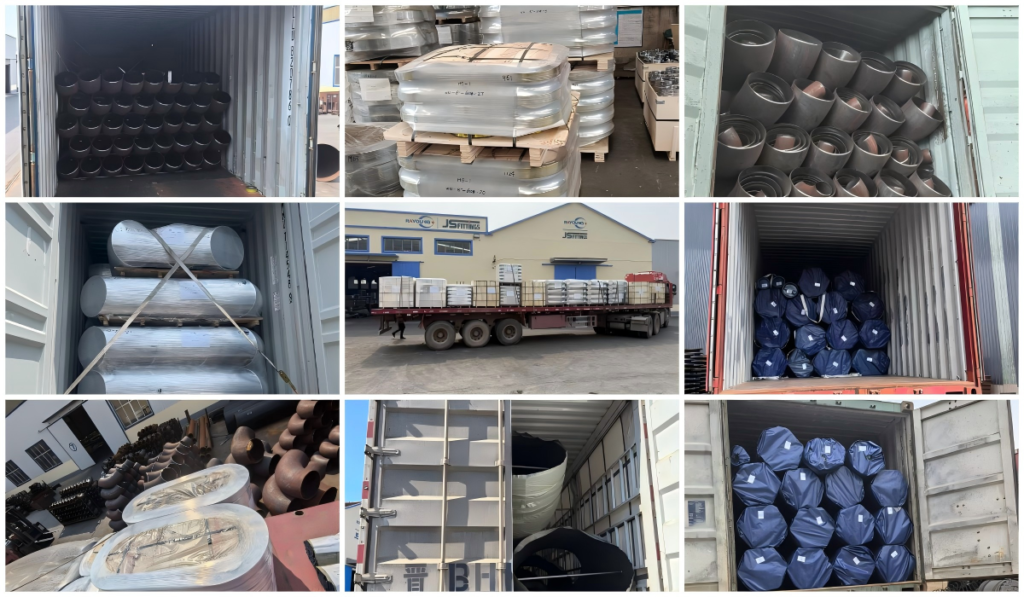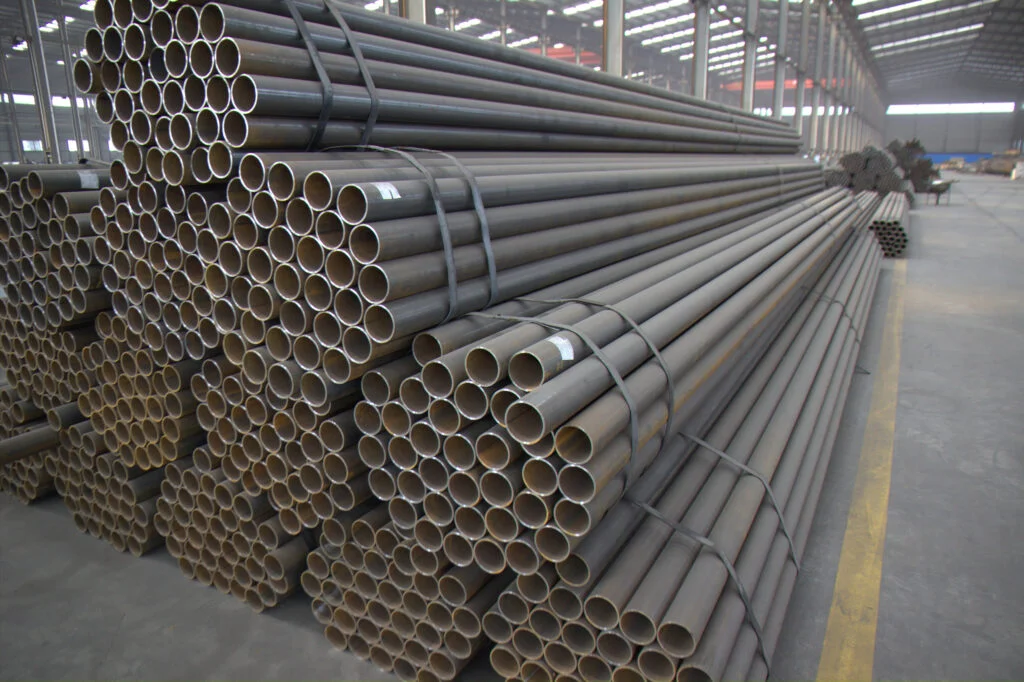
For global steel pipe stockists and EPC contractors, the stakes of procurement extend far beyond the price per ton. A single batch of sub-standard carbon steel pipes can lead to catastrophic pipeline failures, massive project delays, and irreparable brand damage.
While a Mill Test Certificate (MTC) is the standard ticket into the game, it is often not enough to ensure the integrity of a high-pressure energy project. As a specialized supplier focusing on heavy-duty industrial applications, JS FITTINGS explores the three critical layers of quality verification that every procurement manager must prioritize.
Most buyers request API 5L Grade B or X52, but the “hidden” requirements are where the risk lies. For instance, if your project involves “sour service” (transporting fluids with H2S), standard pipes won’t suffice—you need HIC (Hydrogen-Induced Cracking) and SSC (Sulfide Stress Corrosion) resistant steel.
The JS FITTINGS Perspective: When we process bulk orders for oil and gas distributors, we don’t just match the grade. We verify the “Product Specification Level” (PSL1 vs. PSL2). For PSL2, the requirements for chemical composition and mechanical properties are significantly more stringent, including mandatory toughness testing. Ensure your supplier understands these nuances before the steel hits the production line.
For carbon steel pipes, the journey from the mill to a construction site in the Middle East or South America is a battle against oxidation. Many suppliers cut costs on coating, leading to surface pitting before the pipes even arrive.
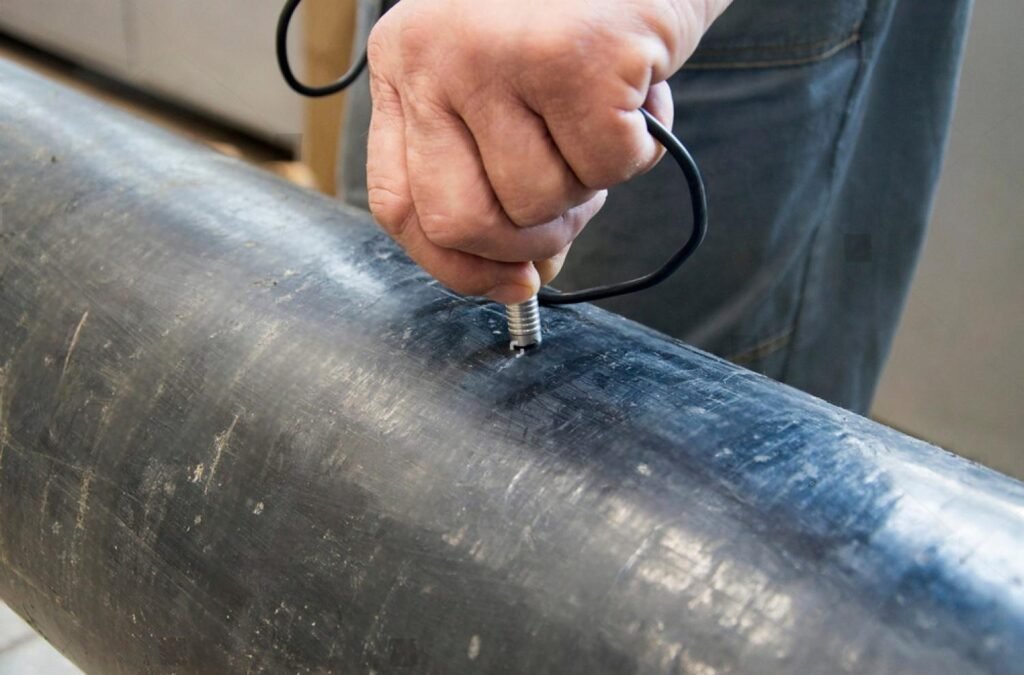
A professional supplier should provide detailed protocols for:
External Coatings: Whether it’s 3LPE, FBE, or simple black painting, the micron thickness must be consistent.
End Protection: Plastic caps are standard, but for heavy-wall pipes, steel-ring protectors are essential to prevent beveled end damage during crane handling.
Rust Prevention: Use of high-grade varnish that can withstand high-humidity maritime transit.
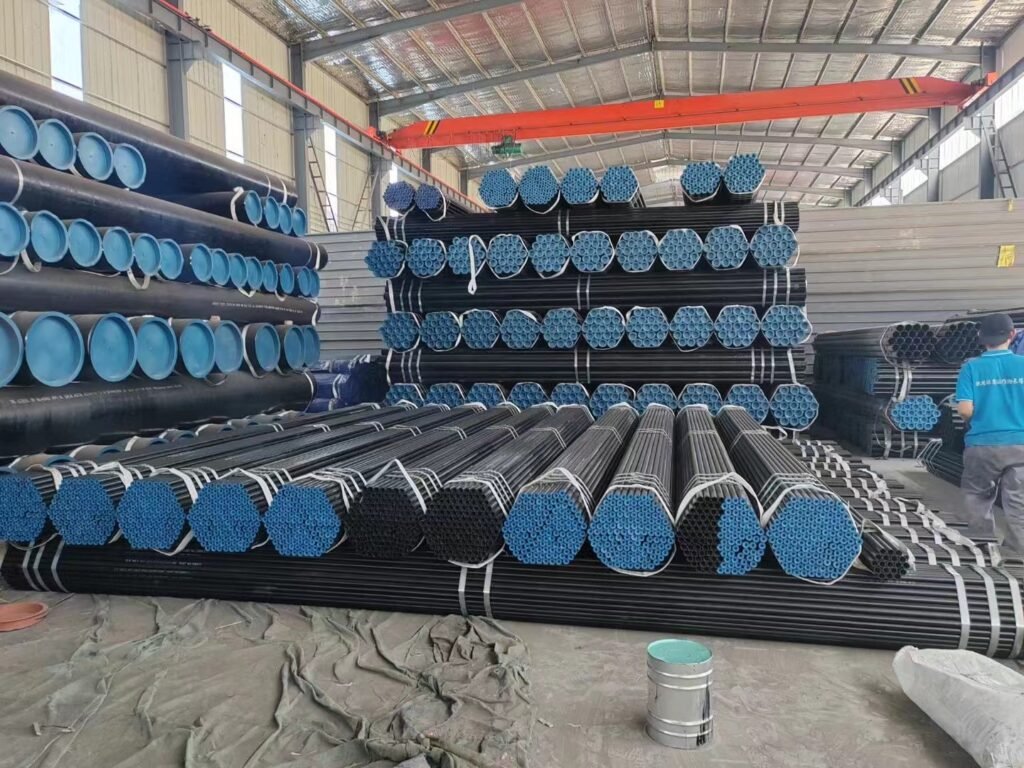
The most successful distributors we work with not only rely solely on factory internal reports. They will have third-party inspections.
But what should the TPI actually focus on?
- Hydrostatic Testing: Don’t just check the record; verify the holding time and pressure levels.
- Non-Destructive Testing (NDT): Ultrasonic or Radiographic testing is non-negotiable for seamless pipes used in high-pressure environments.
Dimensional Accuracy: Out-of-roundness and wall thickness tolerance are the “silent killers” of efficient on-site welding.
Buying direct from a mill sounds cost-effective, but for complex projects requiring multiple sizes, grades, and custom lengths, a professional supply chain partner like JS FITTINGS adds a layer of safety. We act as your on-ground QC team, consolidating orders from top-tier Chinese mills while enforcing a single, rigorous quality standard across the entire shipment.
In the world of industrial piping, “cheap” is often the most expensive choice you can make. By focusing on PSL2 compliance, robust surface protection, and transparent TPI processes, distributors can secure their supply chain and ensure project longevity.
JS FITTINGS-one-stop steel pipe and pipe fittings supplier in China
welcome to contact us if you have any requirements.
- Email: info@jssteelpipes.com
- WhatsApp: +8618003119682