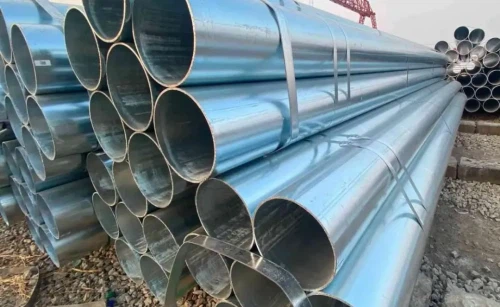
Galvanized steel pipe is a steel pipe that has been coated with a layer of zinc to prevent corrosion and rusting. The galvanization process provides a strong, long-lasting protective barrier, making galvanized pipes ideal for outdoor and industrial applications.
This guide explores what galvanized pipe is, its best applications, and how to select the right type for your specific needs.
What is Galvanized Steel Pipe?
At its core, galvanized steel pipe is a robust steel tube that has gone through a chemical process to be coated with a protective layer of zinc. This isn’t just a surface paint; the zinc bonds with the steel to create a sacrificial barrier. This barrier shields the inner metal from the elements, significantly delaying corrosion and rust.
Because of this “armor,” galvanized pipes are the go-to solution for outdoor environments and industrial applications where exposure to moisture and weather is inevitable.
Common Uses and Applications
Galvanized steel pipes are prized for their versatility. Here is where they are most commonly deployed:
- Construction & Infrastructure
This is the most visible sector for galvanized steel. Its high strength-to-weight ratio makes it perfect for:
Scaffolding and Frameworks: Providing safety and stability for workers.
Safety Barriers: Guardrails along highways and parking lots.
Support Structures: Road signage, temporary shelters, and telecommunication towers. - Water Management Systems
While modern residential plumbing has shifted materials, galvanized pipe remains vital for:
Outdoor Irrigation: It withstands the harsh conditions of agricultural fields.
Cold Water Distribution: Ideal for main supply lines and rural water systems.
Drainage: effective for heavy-duty sewer and drain applications. - Industrial & Manufacturing
Factories and plants rely on these pipes for:
HVAC Systems: Ductwork and piping that must resist environmental wear.
Fire Safety: Most fire sprinkler systems use galvanized piping due to its heat resistance and durability.
Process Piping: Transporting non-corrosive fluids in chemical and petrochemical plants. - Agriculture & Marine
Farming: Used extensively for greenhouse frames and durable animal enclosures.
Marine Environments: Dock pilings and boat lifts benefit from the zinc coating’s resistance to water damage.
A Note on Plumbing: While galvanized pipe is excellent for cold water, it is generally no longer recommended for residential hot water lines. Over decades, minerals can react with the zinc, potentially causing scale buildup. Use galvanized steel for outdoor, industrial, and cold-water applications for optimal results.
Why Choose Galvanized Steel?
Superior Corrosion Resistance: The zinc coating acts as a shield, preventing oxidation and rust from eating away at the steel.
Extreme Durability: These pipes can handle high pressure, mechanical stress, and severe weather conditions far better than plastic alternatives.
Cost-Effectiveness: For large-scale projects, galvanized steel offers a lower lifecycle cost compared to stainless steel or treated alternatives because it requires less maintenance.
Galvanized Pipes Types: Hot-Dip vs. Electro-Galvanized
Not all galvanized pipes are created equal. The manufacturing method dictates the pipe’s performance.
Hot-Dip Galvanized Pipes
In this process, the steel pipe is dipped into a bath of molten zinc.
Pros: Creates a thick, metallurgically bonded alloy layer. It offers superior corrosion protection, a long service life, and is ideal for outdoor/harsh environments.
Cons: slightly higher cost and a rougher surface finish.
Best For: Structural construction, outdoor fluid transport, and heavy industry.
Electro-Galvanized Pipes (Cold Galvanizing)
Here, the zinc is applied via an electrical current.
Pros: precise, uniform thickness with a smooth, shiny finish. It is significantly cheaper to produce.
Cons: The zinc layer is much thinner, offering less corrosion protection than hot-dip pipes.
Best For: Indoor applications, cosmetic structures, or temporary projects where extreme weather resistance isn’t required.
Common Grades
To ensure quality, look for standard grades such as ASTM A53 (standard specification for pipe, steel, black and hot-dipped, zinc-coated, welded and seamless) and ASTM A106 (seamless carbon steel pipe for high-temperature service).
Buying Guide: How to Source the Right Pipe
Selecting the right pipe involves more than just picking a size. Consider the following:
Environment: Will the pipe be exposed to saltwater or extreme humidity? If yes, go with Hot-Dip.
Application: Structural vs. fluid transport.
Budget: Balance the initial cost against the lifespan of the project.
Certifications: Ensure your supplier meets ASTM, ISO, or API standards.
Looking for a Reliable Supplier?
Sourcing high-quality steel piping is critical to thesafety and longevity of your project.
JSFITTINGS specializes in supplying premium industrial steel pipes for a wide range of demanding sectors, including:
- Groundworks & Road Construction
- Hydraulic Engineering
- Petrochemical & Desalination Plants
- Power Generation, Defense, & Mining
We don’t just sell pipes; we provide solutions that protect your bottom line. With professional service, rapid delivery, and competitive pricing, we help you maximize your profit margins without compromising on quality.
Ready to get started?
Contact JSFITTINGS today for a quote or technical consultation.
Email: info@jssteelpipes.com
WhatsApp: +8618003119682