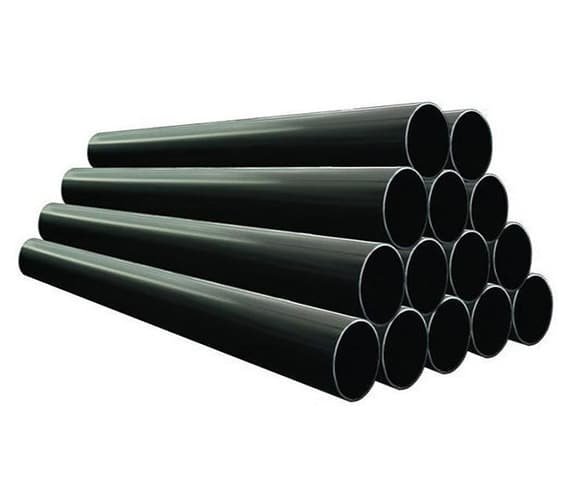
ASTM A106 steel pipe is a seamless carbon steel pipe specification developed for high-temperature service. It is commonly specified in industrial piping systems where the pipe must handle elevated temperatures, pressure and the transportation of liquids or gases.
Unlike general-purpose steel pipe, ASTM A106 is commonly found in refineries, petrochemical plants, power plants, steam systems, boilers and other process piping installations.
The most widely purchased grade is ASTM A106 Grade B, although the project specification and service conditions should always determine the applicable grade.
What Is ASTM A106 Steel Pipe?
ASTM A106/A106M covers seamless carbon steel pipe for high-temperature service. The specification also addresses suitability for bending, flanging and welding when the appropriate procedures are used.
ASTM A106 pipe is available in Grades A, B and C. Grade B is widely used in industrial piping because it provides a practical combination of strength, ductility and availability.
For buyers, the key point is that A106 specifies a particular service and manufacturing type, not a generic carbon steel pipe grade.
The required grade, size, wall thickness, testing and other supplementary requirements should be confirmed against the project specification.
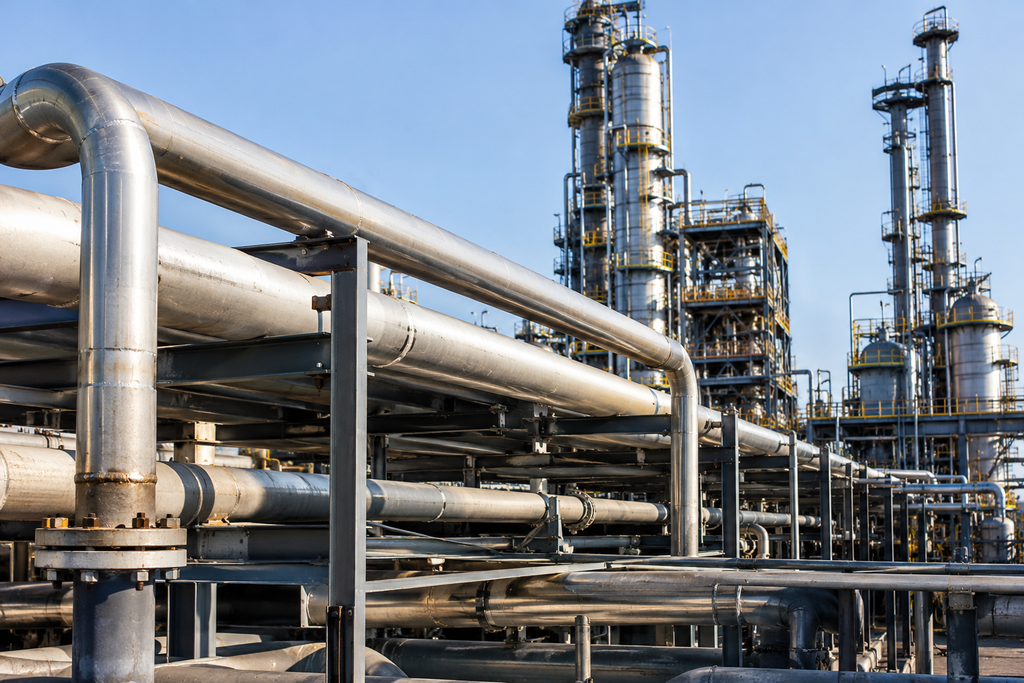
Where Is ASTM A106 Steel Pipe Used?
The most common ASTM A106 pipe applications are related to industrial process systems where elevated temperature and pressure are important considerations.
1. Refinery Piping
Oil refineries contain numerous process lines carrying hydrocarbons, steam and other process fluids at elevated temperatures.
ASTM A106 seamless pipe is commonly specified for suitable process piping systems, including:
- Process fluid lines
- Steam piping
- Hot oil systems
- Refinery utility lines
- High-temperature process connections
The actual pipe specification depends on the fluid, operating temperature, pressure, corrosion conditions and applicable piping code.
For refinery procurement, specifying only “A106 Grade B” is not enough. The buyer should also confirm NPS, wall thickness or schedule, length, testing and any supplementary requirements.
2. Petrochemical Plants
Petrochemical facilities use extensive process piping to move hydrocarbons, steam, water and other fluids between processing units.
ASTM A106 pipe can be specified for suitable high-temperature process services such as:
- Process piping
- Steam lines
- Hot hydrocarbon service
- Utility piping
- Furnace and heater-related piping systems
The selection should be based on the actual service conditions rather than simply the industry name.
3. Power Plant Piping
Power generation is another important ASTM A106 steel pipe application.
Industrial power plants contain piping systems for steam, condensate, feedwater and other high-temperature services.
Depending on the design and applicable specification, A106 pipe may be used in:
- Steam piping
- Boiler-related piping
- Feedwater systems
- Condensate lines
- High-temperature utility piping
For high-temperature power plant systems, engineers need to consider operating temperature, pressure, wall thickness, material grade and the applicable design code.
4. Steam Piping
ASTM A106 is frequently associated with steam piping because the specification is intended for high-temperature service.
Typical applications include:
- Main steam lines
- Auxiliary steam lines
- Process steam
- High-temperature utility systems
- Steam distribution piping
The pipe should not be selected solely because the service is “steam.” Steam temperature, pressure, design conditions and the governing piping specification must be confirmed first.
5. Boiler and Heat-Related Piping
ASTM A106 pipe is also used in selected boiler and heat-related piping systems.
Where the project specification calls for seamless carbon steel pipe for high-temperature service, A106 may be considered for:
- Boiler piping
- Superheated steam systems
- Heat-related process lines
- High-temperature connections
The exact application depends on the engineering design. Boiler components such as tubes and heat-exchanger tubes may fall under other ASTM specifications, so A106 should not be treated as a universal boiler material.
6. Industrial Process Piping
Outside the oil and gas sector, ASTM A106 is used in many industrial process piping systems.
Examples include:
- Chemical plants
- Industrial heating systems
- Process manufacturing facilities
- Power and utility systems
- Industrial steam networks
For these projects, A106 is normally selected when the required service conditions and project specification call for seamless carbon steel pipe suitable for elevated-temperature service.

Is ASTM A106 Pipe Used in Construction?
Yes, but the term construction use needs to be understood correctly.
ASTM A106 is not primarily a structural construction pipe specification such as a structural hollow section or piling specification.
Instead, it is commonly used during the construction of industrial facilities and process piping systems.
For example, an EPC contractor constructing a refinery, power plant or petrochemical facility may purchase ASTM A106 pipe for the plant’s piping network.
Typical construction-related applications include:
- Refinery construction
- Petrochemical plant construction
- Power plant construction
- Industrial boiler systems
- Process piping installation
- Steam pipeline installation
- Factory utility systems
Therefore, when buyers search for “ASTM A106 pipe construction use,” the more accurate interpretation is generally industrial construction and piping installation rather than structural building columns or general construction pipe.
ASTM A106 Grade B steel pipes Applications
ASTM A106 Grade B steel pipe is the most commonly encountered A106 grade in many industrial purchasing requirements.
It is commonly specified for:
- High-temperature process piping
- Refinery piping
- Petrochemical piping
- Power plant piping
- Steam systems
- Industrial utility piping
However, Grade B should not automatically be selected for every high-temperature application.
The required material grade should be confirmed from the project specification, design conditions and applicable code.
For buyers comparing A106 Grade B with other carbon steel pipe specifications, the intended service is more important than simply comparing tensile strength.
For example, ASTM A106 Grade B and API 5L Grade B are not interchangeable specifications. API 5L is primarily associated with line pipe, while ASTM A106 is a seamless carbon steel pipe specification for high-temperature service. See our detailed comparison of [API 5L Grade B vs ASTM A106 Grade B Seamless Pipe] for more information.
ASTM A106 vs ASTM A53 for Piping Applications
A106 and A53 are sometimes confused because both are carbon steel pipe specifications.
The main difference for buyers is their intended service.
| Specification | Typical application |
|---|---|
| ASTM A106 | Seamless carbon steel pipe for high-temperature service |
| ASTM A53 | General-purpose steel pipe for specified mechanical and pressure applications |
| API 5L | Line pipe for petroleum and natural gas transportation |
| ASTM A333 | Seamless and welded steel pipe for low-temperature service |
This does not mean one specification is universally better than another.
The correct choice depends on the service temperature, pressure, fluid, pipe size, manufacturing method and project specification.
What Should Buyers Specify When Ordering A106 Pipe?
For a project quotation, a complete inquiry should include:
Standard: ASTM A106/A106M Grade: A / B / C Size: NPS or OD Wall Thickness: Schedule or exact WT Length: Random or fixed Pipe Ends: Plain or beveled Quantity: Tons or pieces Testing: Hydrostatic / NDT / other project requirements Documentation: MTC / inspection requirements Destination: Port or project location
For EPC and industrial projects, additional requirements may apply.
The earlier these requirements are confirmed, the easier it is for suppliers to provide comparable quotations and prepare the correct material documentation.
ASTM A106 Steel Pipe for Industrial Projects
JS FITTINGS supplies ASTM A106 seamless carbon steel pipe for overseas distributors, stockists, EPC contractors and industrial projects.
Available A106 products include Grade A, Grade B and Grade C, subject to production and project requirements. Our seamless pipe range covers different sizes and wall thicknesses for industrial applications. The company also supplies other seamless and welded steel pipe specifications, allowing buyers to source multiple pipe requirements from one supplier.
For product specifications and available sizes, see our ASTM A106 Grade B Seamless Pipe product page.
If your project requires ASTM A106 pipe for a refinery, petrochemical plant, power plant, steam system or other industrial piping application, send us the required size, wall thickness, grade, quantity and project specification.
We can review the requirements and provide a quotation based on the actual application.
Email: info@jssteelpipes.com
WhatsApp: +86 180 0311 9682