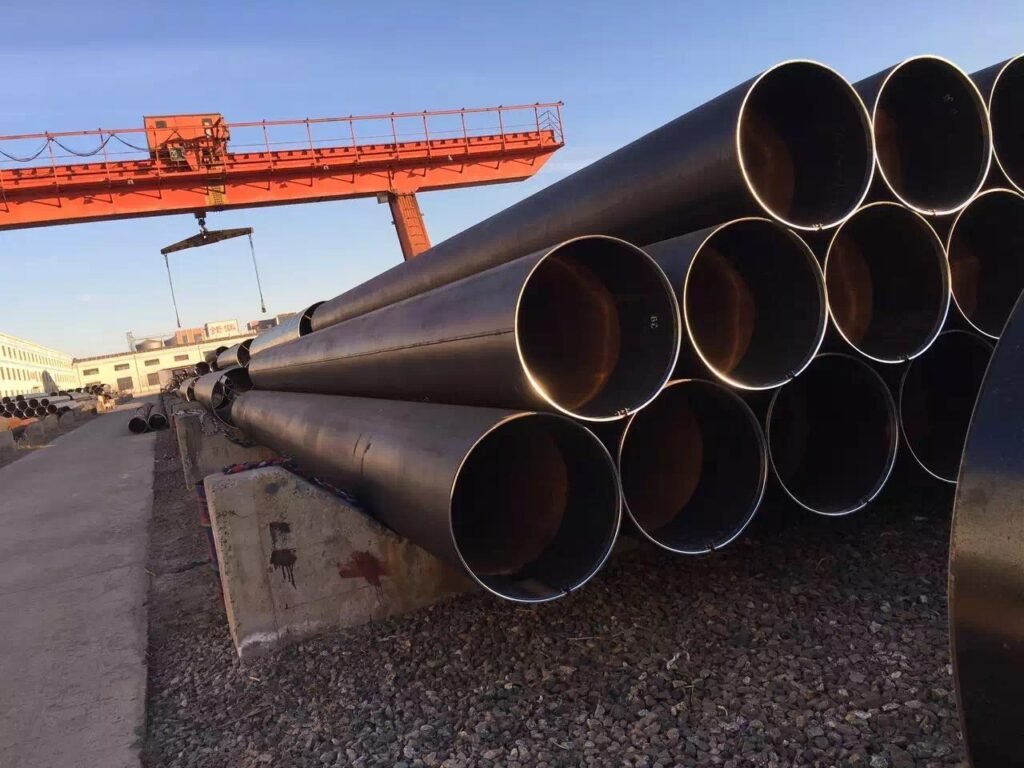
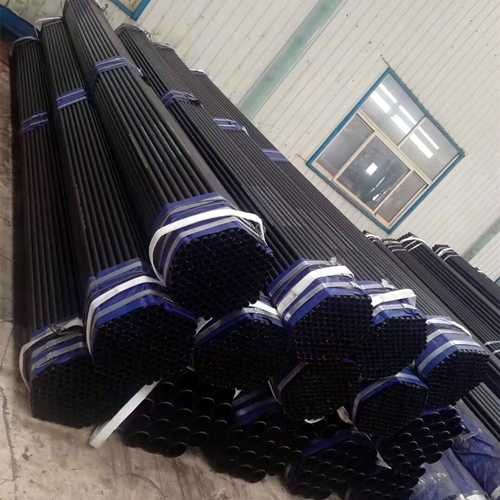
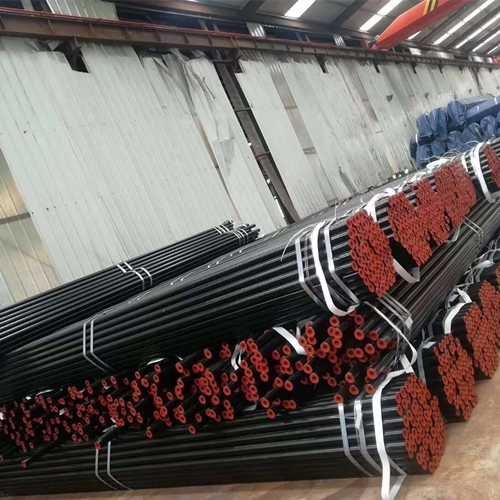
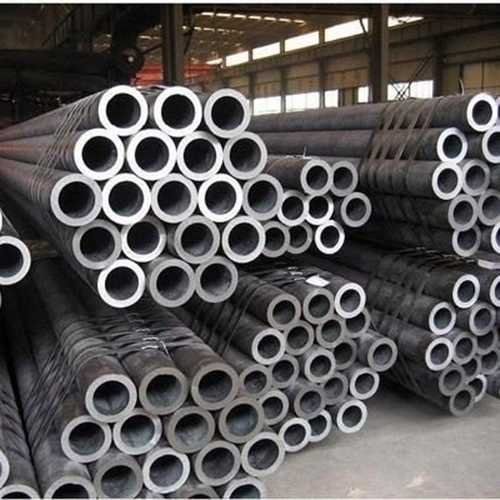
Steel pipe sizes and dimensions are governed by two primary metrics: Nominal Pipe Size (NPS) and Schedule (SCH), which together define the diameter and wall thickness required for industrial pressure applications. Understanding these specifications is critical for procurement officers and engineers in the oil, gas, and marine sectors to ensure system integrity and compliance with international standards.
Understanding Nominal Pipe Size (NPS) and Pipe Diameters
Nominal Pipe Size (NPS) is a North American set of standard pipe sizes used for high or low pressures and temperatures; it refers to the approximate inner diameter for sizes below 12 inches.
When discussing pipe diameters, it is important to distinguish between the Outside Diameter (OD) and the Nominal size. For any pipe size from NPS 1/8 to NPS 12, the NPS and the actual OD are different. For example, a “2-inch pipe” actually has an OD of 2.375 inches. Once you exceed 14 inches, the NPS is equal to the Outside Diameter. For overseas stockists, mastering this distinction prevents costly ordering errors during international shipping.
Decoding Pipe Schedules: Schedule 40 vs. Schedule 80
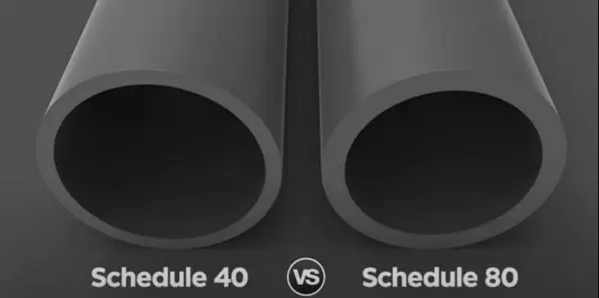
Pipe “Schedule” (SCH) refers to the wall thickness of the pipe; as the schedule number increases, the wall thickness becomes greater while the outside diameter remains constant.
Schedule 40 pipe sizes are the most common in the industry, often referred to as “Standard” (STD) weight. They provide a balanced ratio of pressure resistance to material cost, making them the go-to for general structural and low-pressure fluid transport.
However, for high-pressure environments like offshore drilling or chemical processing, you must ask: ” How thick is Sch 80 pipe? Schedule 80 pipe features a thicker wall (Extra Heavy), designed to withstand significantly higher internal pressures and provide a greater corrosion allowance. For instance, a 6-inch NPS Schedule 40 pipe has a wall thickness of 0.280”, whereas a Schedule 80 pipe of the same NPS has a thickness of 0.432”.
Nominal Pipe Thickness and Mill Tolerances
Nominal pipe thickness is the theoretical wall thickness specified by standards like ASME B36.10M, though actual production allows for a specific manufacturing tolerance (usually +/- 12.5%).
In the procurement of carbon steel seamless pipe, understanding “Nominal” vs. “Minimum” wall thickness is vital. If your project requires a strict pressure rating, you must account for the mill tolerance. High-quality seamless pipes, manufactured via hot-rolling or cold-drawing, ensure better uniformity in wall thickness compared to welded alternatives, which is why they are preferred for critical “lethal service” applications in the marine and energy sectors.
Material Standards: The Role of A53 Steel Pipe
Summary: A53 steel pipe (ASTM A53) is a versatile carbon steel alloy intended for mechanical and pressure applications, available in seamless and welded types (Grades A and B).
While we focus on steel pipe dimensions, the material grade is equally important. ASTM A53 Grade B is the most prevalent standard for seamless pipe in our inventory. It offers excellent tensile strength (min. 60,000 psi) and yield strength. For stockists looking to supply oil and gas terminal projects, A53 seamless pipe provides the necessary reliability for bending, flanging, and coiling.
Quick Reference: Steel Pipe Sizes and Dimensions Chart (NPS 1″ to 10″)
Below is a reference for common industrial requirements. For full technical submittals, please contact our engineering team.
| NPS (Inches) | Outside Diameter (inch) | SCH 40 Wall Thickness (inch) | SCH 80 Wall Thickness (inch) |
| 1″ | 1.315 | 0.133 | 0.179 |
| 2″ | 2.375 | 0.154 | 0.218 |
| 4″ | 4.500 | 0.237 | 0.337 |
| 6″ | 6.625 | 0.280 | 0.432 |
| 8″ | 8.625 | 0.322 | 0.500 |
| 10″ | 10.750 | 0.365 | 0.594 |
Why Specification Accuracy Matters
Choosing the right steel pipe sizes is not just about fitting two pieces together; it is about safety, longevity, and cost-efficiency. At JS FITITNGS Steel Pipes, we specialize in high-grade carbon steel seamless pipe, ensuring that every length meets the rigorous nominal pipe thickness requirements of ASTM and ASME standards. Whether you are an overseas wholesaler or a marine contractor, our technical team is ready to provide the precision dimensions your project demands.
Email: info@jssteelpipes.com
WhatsApp: +8618003119682